ISE 2028

Ecohydraulic Upscaling for Nature Restoration

17th International Symposium on Ecohydraulics
25 June - 1 July 2028 · Warsaw, Poland

SGGW — Warsaw University of Life Sciences Institute of Geophysics PAS IRS / NIFRI

Introduction

A global platform at the crossroads of river science

The International Symposium on Ecohydraulics (ISE) is a key global platform for researchers, practitioners, and policymakers in ecohydraulics, water management, and aquatic ecosystem restoration.

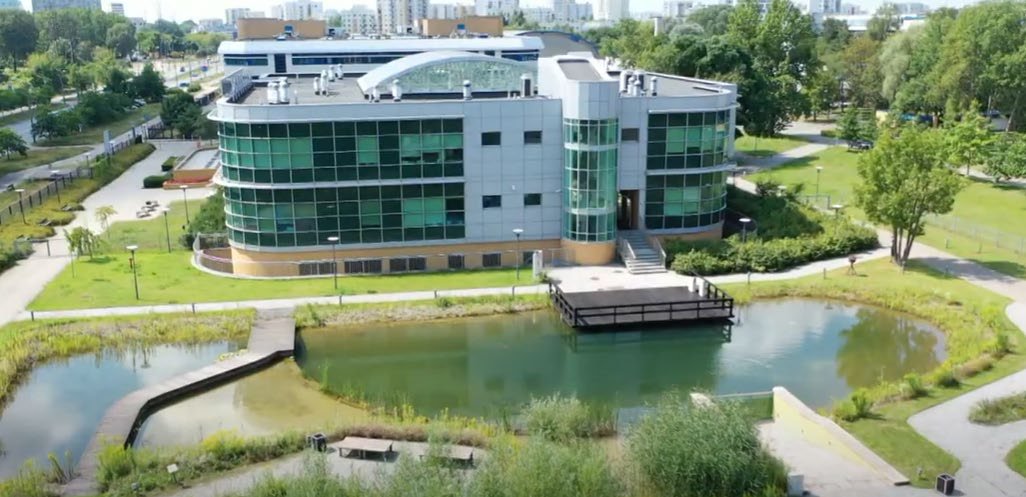
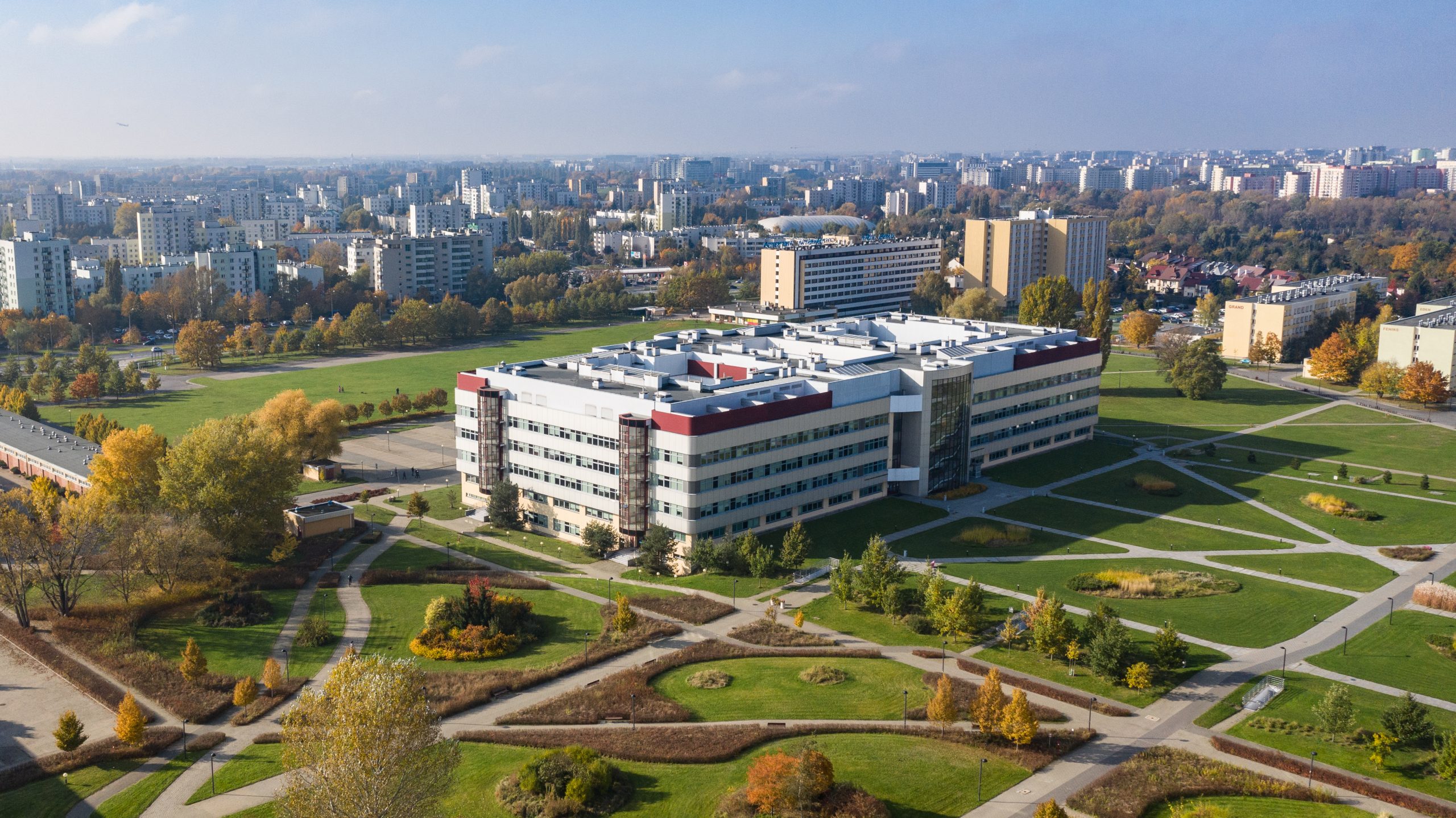
SGGW campus facilities — Water Centre and green–blue infrastructure

We propose hosting ISE 2028 in Warsaw, Poland, at the University of Life Sciences (SGGW), in collaboration with leading research institutions. The conference is planned for 25 June – 1 July 2028.

With Poland at the crossroads of modern river management, ISE 2028 will focus on upscaling ecohydraulic science for nature restoration—a theme reflecting both the rapid transformations in European water policies and the urgent need for sustainable management of river systems in Central and Eastern Europe.

Hosts

Organising institutions

Three major institutions with strong expertise in ecohydraulics will jointly organise ISE 2028.

National Inland Fisheries Research Institute (NIFRI)

  • Over 70 years of experience in fishery research and river management.
  • Leads national fish monitoring programs and develops ecohydraulic models such as MesoHABSIM, CHAMP, and HyperWAQ.
  • Collaborates with government agencies and European institutions on fish passage, habitat connectivity, and hydropower mitigation.

Institute of Geophysics, Polish Academy of Sciences (IG PAS)

  • Specializes in geophysics, including hydrology, hydrodynamics, physics of atmosphere, polar research, and climate impact assessments on river systems and water resources.
  • Researches flood risks, sediment and pollution transport, water-vegetation interactions, and large-scale hydrodynamic modeling.
  • Member of several European research consortia on water security and sustainable hydropower.
  • Leads the EU-funded LIQUIDICE project — Linking and quantifying the Impacts of climate change on inland ice, snow cover, and permafrost on water resources and society in vulnerable regions.
  • Organizer of the 6th IAHR Europe Division Congress: Hydro-environment Research and Engineering — No Frames, No Borders (15–18 February 2021, Warsaw, Poland).

People

Organising and Scientific Committee

Co-chairs of the conference

  • Piotr Parasiewicz — NIFRI
  • Tomasz Okruszko — Deputy Rector, SGGW
  • Paweł Rowiński — Past Chair of IAHR Europe Division, IG PAS

Organising Committee

  1. Adam Kiczko, Assoc. SGGW — Head of the Committee
  2. dr inż. Ewa Kaznowska — SGGW
  3. dr inż. Michał Wasilewicz — SGGW
  4. Michael Nones — IG PAS, Deputy Head of the Committee
  5. Hossein Hamidifar — IG PAS
  6. Anna Łoboda — IG PAS
  7. Katarzyna Suska — NIFRI
  8. Melania Kurdej — NIFRI
  9. Kamila Belka — NIFRI
  10. Janusz Ligięza — NIFRI

Scientific Committee

The following international experts have already committed to the Scientific Committee:

  1. Damian Absalon — University of Silesia, Poland
  2. Krzysztof Lejcuś — Wrocław University of Environment and Life Sciences, Poland
  3. Robert Czerniawski, Assoc. — Institute of Meteorology and Water Management – NRI
  4. Andrzej Kapusta — NIFRI, Poland
  5. Mateusz Grygoruk — SGGW, Poland
  6. Tomasz Okruszko — SGGW, Poland
  7. Atle Harby — SINTEF, Norway
  8. John Nestler — US Army Corps of Engineers (retired), USA
  9. Michael Stewardson — University of Melbourne, Australia
  10. Wouter van de Bund — EU Joint Research Center Ispra, European Union
  11. Marie Pierre Gosselin — NINA, Norway
  12. Jeffrey Tuhtan — Tallinn University of Technology, Estonia
  13. Carlos Garcia de Leanitz — University of Vigo, Spain
  14. Christos Katopodis — Katopodis Ecohydraulics Ltd, Canada
  15. Martin Pusch — IGB Leibniz-Institute of Freshwater Ecology and Inland Fisheries, Germany
  16. Christopher Caudill — University of Idaho, USA
  17. Diego Garcia de Jalon — Madrid Polytechnic, Spain
  18. Guido Zolezzi — University of Trento, Italy
  19. Paolo Vezza — Turin Polytechnic, Italy
  20. Martina Bussettini — Institute for Environmental Protection and Research, Italy
  21. Piotr Parasiewicz — NIFRI, Poland

Conference theme

Ecohydraulic Upscaling for Nature Restoration

Ecohydraulics plays a critical role in modern river restoration. The upscaling approach (introduced in 2003) has evolved into a cornerstone of sustainable water management, influencing EU policies and global conservation efforts.

ISE 2028 will explore scaling ecohydraulic methods from local applications to regional and continental strategies, on the canvas of implementing the European Nature Restoration Law.

  • Keynote addresses on upscaling methods and policy implications
  • Parallel sessions on case studies, technology, and regional challenges
  • Workshops on remote sensing and AI in ecohydraulic modeling
  • Field trips to the Vistula River and Natura 2000 sites for practical insights
  • Special sessions: “Ecohydraulics in Central and Eastern Europe: Challenges and Opportunities” and “Habitat modelling at meso- and macroscale”
  • Activities devoted to young researchers, including: best presentation award (young scientists), best poster award, and a networking event reserved for students/young participants (like in IAHR congresses)

Sessions & field trips

Proposed sessions

  1. Upscaling Ecohydraulics in Water Policy & Legislation How scientific principles are shaping national and EU water laws? Potential speaker: Wouter van de Bund, Joint Research Centre, European Commission
  2. Upscaling to Population Modelling Moving from predicting habitats to predicting fish communities. Potential speaker: Christopher Caudill, University of Idaho
  3. Upscaling in Ecohydraulics with Big Data, AI & Remote Sensing Cutting-edge tools for habitat modeling and water resource management. Potential speaker: Sebastian Schwindt, University of Stuttgart
  4. Upscaling Free Flowing Rivers Innovative strategies for improving fish migration and habitat connectivity to expand free flowing rivers. Potential speaker: Stefan Schmutz, BOKU
  5. Upscaling with MesoHABSIM: Experience and Advances Experience and advances in MesoHABSIM model application. Potential speaker: Piotr Parasiewicz, NIFRI
  6. Upscaling Beyond River Channel and Current Hydrology Modelling riparian areas and consequences of droughts, floods, and temperature shifts through ecohydraulic solutions. Potential speakers: Paolo Vezza, Politecnico di Torino; Thomas Hein, BOKU
  7. Upscaling Nature-Based Solutions in Coastal Systems Use ecohydraulic tools and Nature-Based Solutions to reduce the impact of extremes on coastal environments. Potential speakers: Rafael Tinoco, University of Illinois; Maria Maza, University of Cantabria
  8. Upscaling Wetland Restoration for Carbon Sequestration and Ecosystem Preservation Leveraging ecohydraulic tools and Nature-Based Solutions to enhance CO₂ capture and conserve natural ecosystems. Potential speaker: Mateusz Grygoruk, WULS-SGGW

Field trips

  1. Vistula River Urban Ecohydraulics Tour — Explore Warsaw’s urban river restoration projects and Natura 2000 sites (NIFRI)
  2. Oder River Disaster Recovery Study — Visit impacted areas and examine post-disaster management strategies (Wrocław University of Environment and Life Sciences)
  3. Biebrza Wetlands Restoration — Learn about one of Europe’s most significant wetland restoration projects (SGGW)
  4. Life for Rivers project on the Parsęta River — Implementing the Free Flowing River concept (Blue Rivers Foundation)
  5. and more

Workshops

  1. Ecohydraulic Modeling Using AI & GIS
  2. MesoHABSIM in River Management — Field and software training
  3. Advancing Fish Passage Technologies in Central & Eastern Europe
  4. Agent-Based Modelling

Conference location

Justification for hosting in Warsaw, Poland

The ISE has never been held in Central or Eastern Europe, with past locations including Quebec City (2024), Nanjing (2022), and Tokyo (2018). Hosting ISE 2028 in Warsaw will bring international expertise to a region facing pivotal environmental and policy challenges.

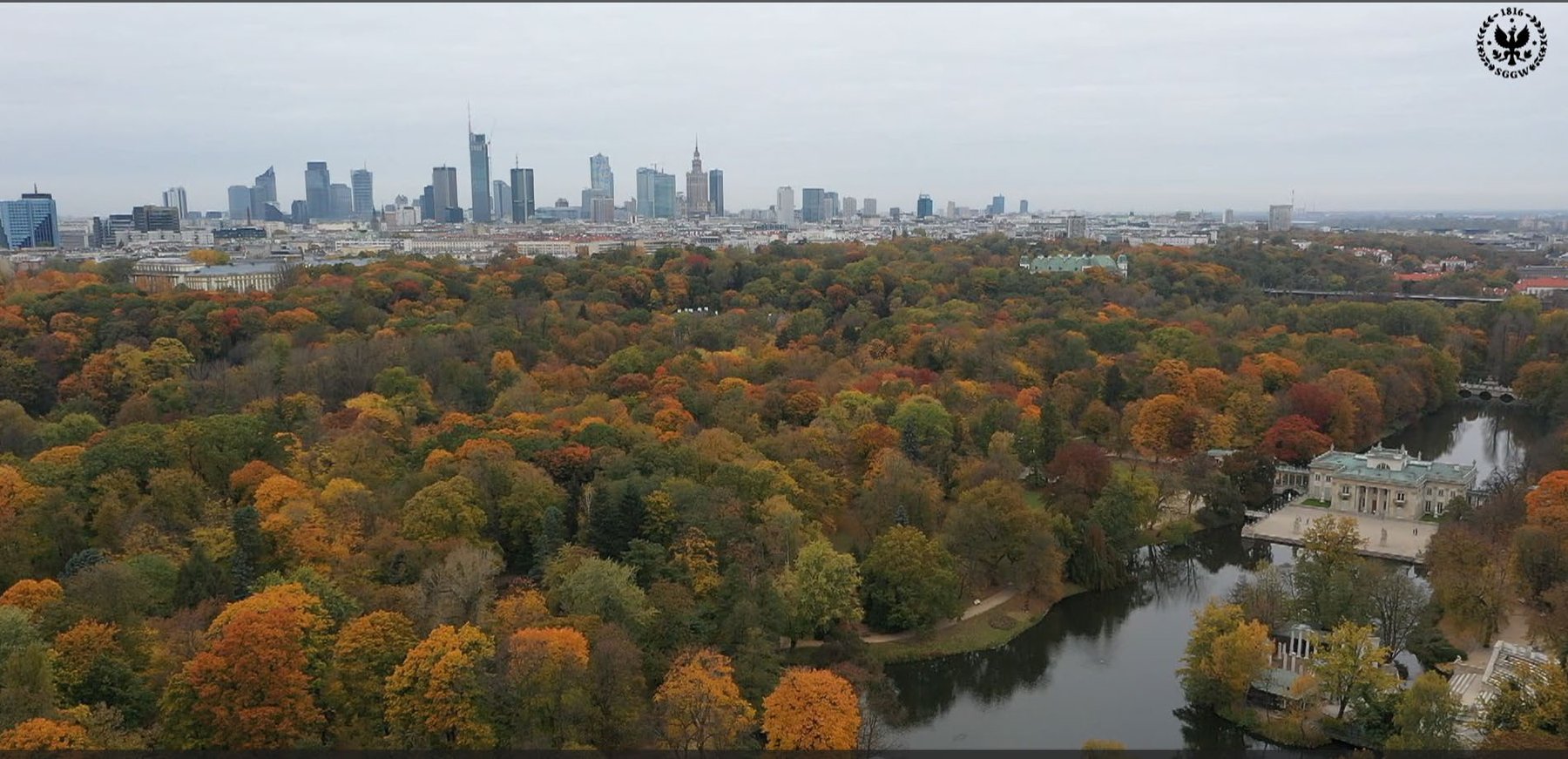
Łazienki Park and Warsaw skyline
Warsaw’s green–blue infrastructure — Łazienki Park with the city skyline beyond

Central and Eastern Europe as a “subcontinent” of river management

Central and Eastern Europe (CEE) represents a distinct hydrological and ecological zone, justifying its designation as a “subcontinent” in the context of ecohydraulics:

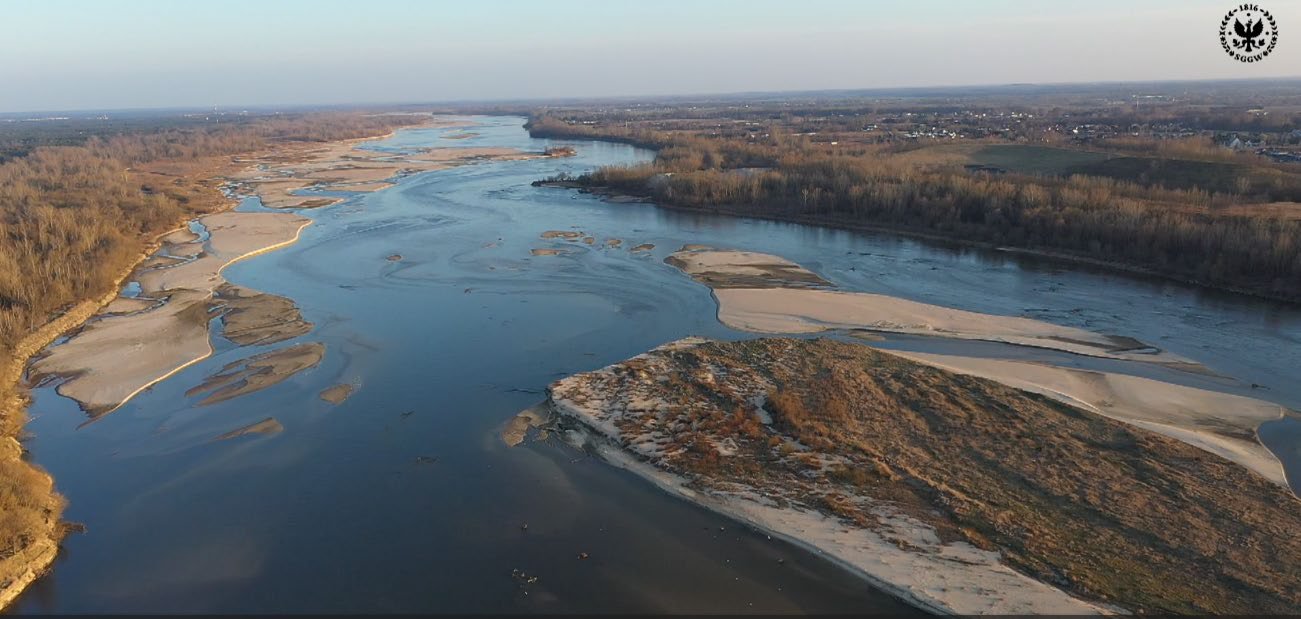
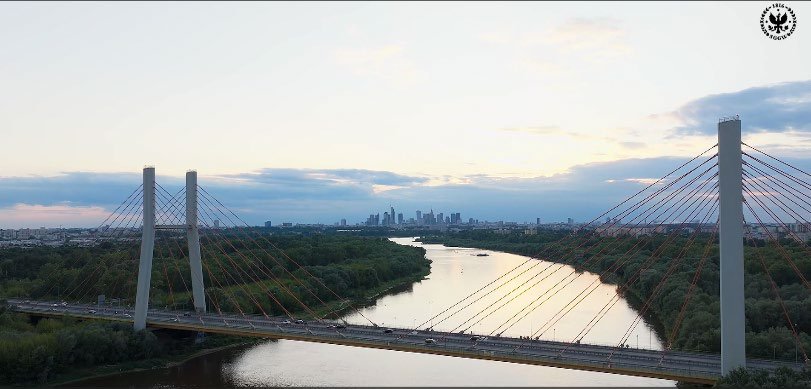
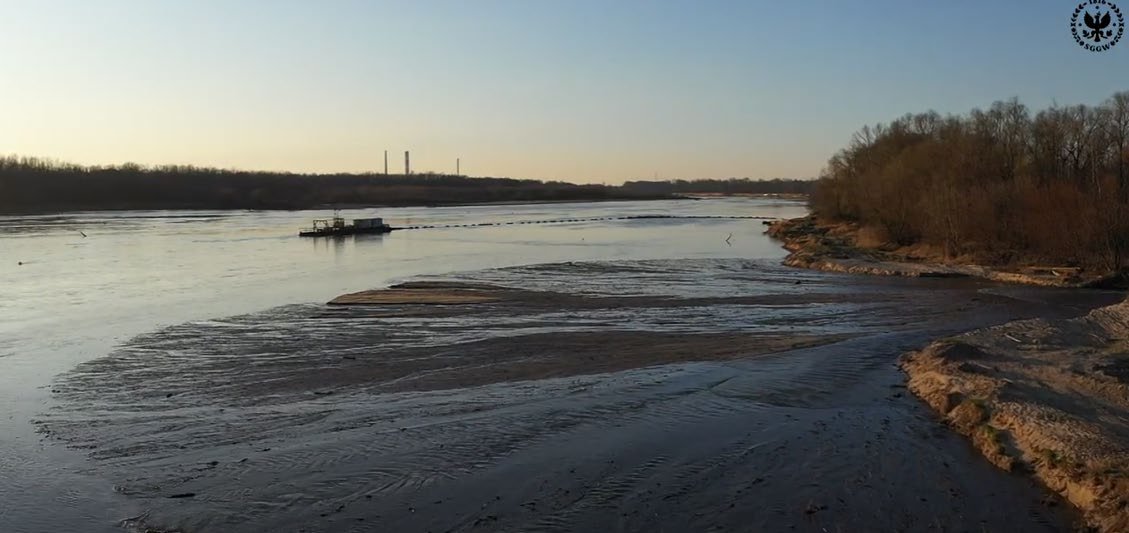
  1. Preserved natural river systems — Unlike heavily modified rivers in Western Europe, many rivers in CEE remain free-flowing, with intact floodplains. The Vistula River, which runs through Warsaw, is one of the last large rivers in Europe, and for most of its length, it is free-flowing.
  2. Transition from traditional to modern river management — The region is caught between historical conservation approaches and the demands of modern infrastructure expansion. Since joining the EU, Poland faces unique pressures from urbanization and agriculture, requiring ecohydraulic tools for compliance with directives, differing from Western Europe’s established frameworks.
  3. Emerging science — Ecohydraulics is nascent here, with growth potential, making it a distinct region for research and application.
  4. European water policies & emerging pressures — EU regulations (e.g., Water Framework Directive, Nature Restoration Law) drive rapid policy shifts toward sustainable water management.
  5. Recent environmental crises — Events like the Oder River fish kill disaster (2022), long-lasting droughts, and devastating flooding, like in 2024, highlight the urgent need for ecohydraulic solutions.

Warsaw as a conference destination

Warsaw is one of Europe’s fastest-growing capitals, offering a mix of history, innovation, and modern infrastructure:

Conference facilities

The University of Life Sciences (SGGW) provides state-of-the-art conference venues, laboratories, and lecture halls.

Accessibility

Warsaw Chopin Airport and Warsaw Modlin Airport offer direct flights to major global cities. The city is easily reachable by train from all over Europe and has a well-developed public transport system.

Culture & nature

Delegates can explore Warsaw’s Old Town (UNESCO-listed), the Vistula River boulevards, nearby national parks, museums, the Opera House, musical theaters, and outdoor events. Natural areas like Łazienki Park and the Vistula River Natura 2000 shores are ideal for field trips.

Logistics & accessibility

Conference venue — University of Life Sciences, Warsaw (SGGW)

While SGGW has not hosted an ISE before, it has organized significant events, such as the Euroligue for Life Sciences (ELLS) Student Scientific Conference in 2021, hosting nearly 400 participants globally (ELLS Student Scientific Conference). The LOC members have experience in national and international workshops on aquatic ecosystems, ensuring capability for ISE 2028.

  • Capacity: 400+ participants
  • Modern AV facilities, breakout rooms, and networking spaces
  • Over 10,000 hotel rooms within a 5–20 minute commute
  • Affordable lodging options, including university dorms
  • Public transport passes available for attendees
Aerial view of the SGGW campus in Warsaw
SGGW campus — aerial view

Registration

Budget & sponsorship

Estimated Costs

Standard

800 EUR

Venue, meals (ice break, coffee and lunch breaks, conference dinner), and conference materials

Students

500 EUR

Subsidized attendance for early-career researchers

Accompanying persons

150 EUR

Programme for accompanying persons

Reduced costs are available for early-bird registration and IAHR members.

Sponsorship & funding

Potential sponsors include:

  • European Center for River Restoration
  • State Water Holding — Polish Waters
  • Polish Ministry of Environment & Climate
  • Polish Ministry of Agriculture and Rural Development
  • European Union environmental initiatives
  • Hydropower & engineering firms
  • Scientific equipment companies
  • Blue Rivers Foundation and other interested NGOs

Student travel grants — partnering with the Journal of Ecohydraulics to fund early-career researchers.

Publication opportunities — special issues will be proposed in journals such as Journal of Ecohydraulics, Journal of River Basin Management, and River Research and Applications.

Hosting ISE 2028 in Warsaw will address urgent ecohydraulic challenges in a transitioning region, showcase upscaling as a solution for nature restoration, and provide a dynamic, well-connected conference experience. We look forward to welcoming the global ecohydraulics community to Warsaw for a groundbreaking symposium.

Formal registration opens closer to the event.